
A complete primer for first-time readers
Reading Sappho
Sappho from fragment to context: a reading guide to the surviving poems, the ancient reports, the translations and the world of the lyric poet of Lesbos.
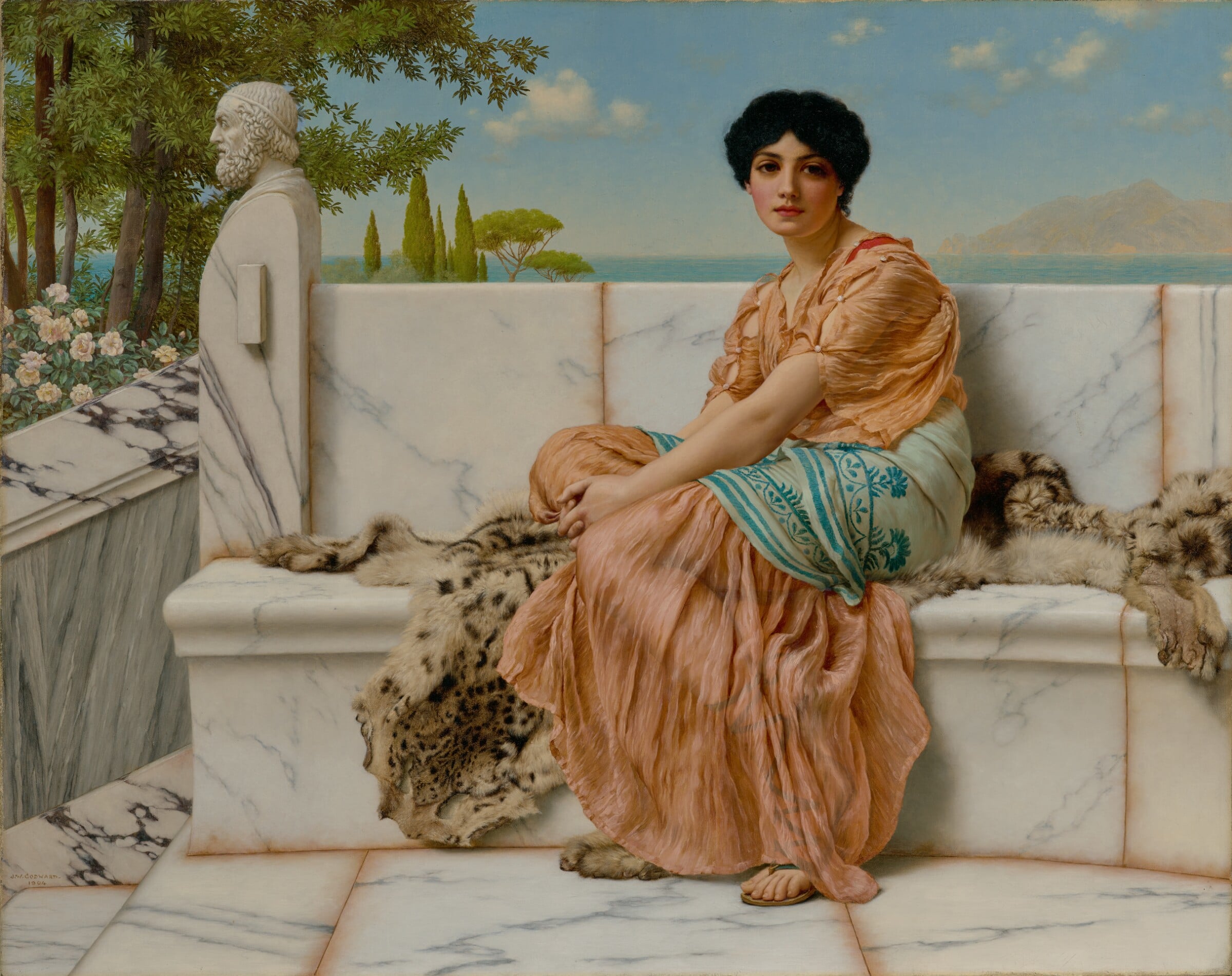
Recommended Translation
As an Amazon Associate, we earn from qualifying purchases.
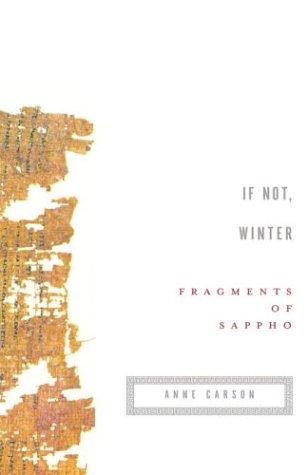
Anne Carson (2002)
Anne Carson’s If Not, Winter (2002) sets Greek and English on facing pages and brackets papyrus gaps; suited to readers wanting fragmentary texts shown.
Buy on Amazon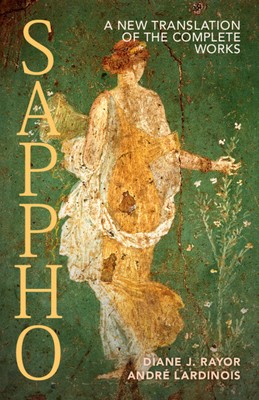
Rayor and Lardinois (2014)
Diane Rayor’s translation of the complete works, with notes by André Lardinois; it includes the Cologne papyrus and the Brothers Poem.
Buy on AmazonWharton’s Sappho, free
Henry Thornton Wharton’s literal prose translation, with notes on where each fragment survives, collected verse renderings and the Greek, can be read online free.
Quick Reference
The quick-reference pages cover fragment numbers, well-known poems, key Greek terms and the sources that preserved Sappho’s work.
Prime for Young Adults
Amazon’s Prime for Young Adults, for ages 18 to 24, is free for six months.
Three Things to Know Before Page One
Only fragments survive
Sappho wrote around 600 BC. Her poems survive only as fragments, quoted by later writers or copied on damaged papyri and parchment.
Two numbering systems
Wharton numbers fragments as Bergk did in 1882; Voigt numbers stand beside his where independent texts agree. “That man seems to me peer of gods” is 2 and 31.
Later finds are separate
Poems on papyri published from 1902 onward are not in Wharton’s translation. Rayor’s translation, with Lardinois, includes the Cologne papyrus and 2014 finds, among them the Brothers Poem.